



If your Windows computer is sluggish or the fans are spinning loudly, you might notice the Spooler Subsystem App (spoolsv.exe) consuming a massive amount of CPU resources in Task Manager. While this is a critical Windows component responsible for managing print jobs, it often encounters errors that drain system performance. This guide provides proven solutions to resolve these resource conflicts and get your PC back to peak speed.
What is Spooler SubSystem App (spoolsv.exe)?
The Spooler SubSystem App, technically known as spoolsv.exe, is a core Windows executable that acts as an intermediary between your applications and your printing hardware. In our experience testing Windows 10 and 11 environments, this background service is essential because it allows you to continue working while a document is being processed. By caching print data into system memory, it ensures that your software does not freeze while waiting for the physical printer to finish its task.
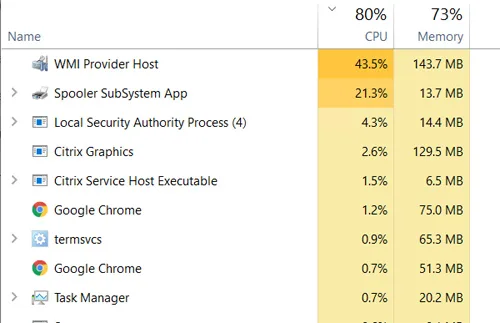
When an application sends a document to the printer for printing, the Spooler Subsystem adds it to the print queue. The Print Spooler service stores the printing requests in memory and sends them one by one to the printer when it is ready.
If the Spoolsv.exe process is not working properly, you may experience problems with your printer or with printing tasks. It is also possible that you may see high CPU usage caused by this process.
Common Causes of Spooler SubSystem App High CPU Usage
There are several reasons why the Spooler SubSystem App process may be using high CPU.
- One common cause is a problem with the printer itself. The printer must be overloaded and thus use the system resources. Sometimes, if there is a problem with the printer, the Spooler SubSystem will try to print the document over and over again, which can cause high CPU usage.
- Another possible cause of high CPU usage is a conflict between the Spooler SubSystem and another process on your computer. If there is a conflict, other processes might restrict the Spooler SubSystem and it may not be able to print documents correctly, which can also lead to high CPU usage.
- A damaged or corrupted printer driver can also cause the Spooler SubSystem to use high CPU. If the printer driver is not working correctly, it may not be able to send data to the printer correctly, which can result in high CPU usage.
- Another possibility can be that the Spoolsv.exe process is actually a virus and uses your system resources in the name of a printing job.
How to Fix Spooler Subsystem App High CPU Usage in Windows
Depending on the root cause, there are several ways to fix Spooler Subsystem App high CPU usage. Let us discuss them one by one.
1. Restart the System
Before jumping towards the advanced fixes, try the most basic and simplest solution, i.e., restarting the system. Restarting the system surprisingly fixes most Windows process-related issues. To restart Windows 10 or Windows 11, just open the Start menu, click on the Power button, and select Restart from the power options.
2. Run the Troubleshooter
Windows comes with an excellent Troubleshooter feature that automatically searches for problems in various hardware/software-related issues and provides suitable solutions. Since the Spooler SubSystem App is part of the printing process, running the Windows Printing Troubleshooter might fix the issue.
Here are the steps to run the Windows Printing Troubleshooter:
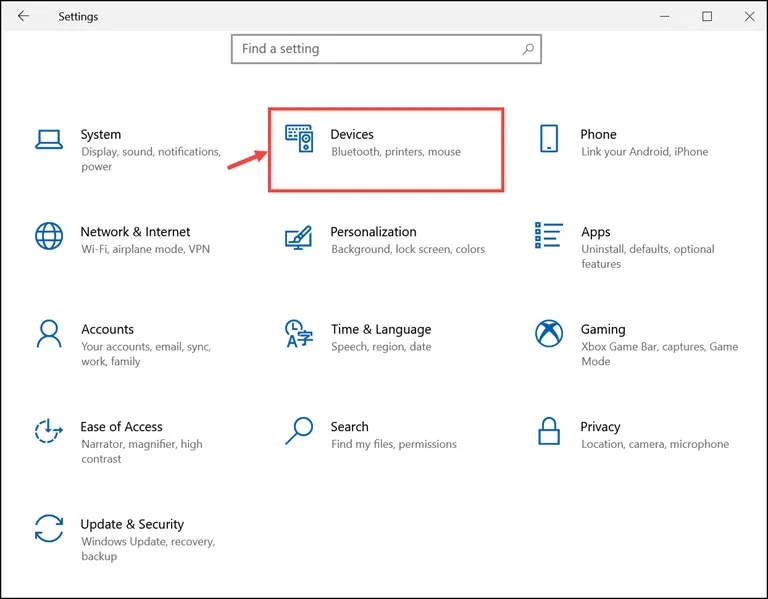
- Open the Windows Settings app and go to the Devices section.
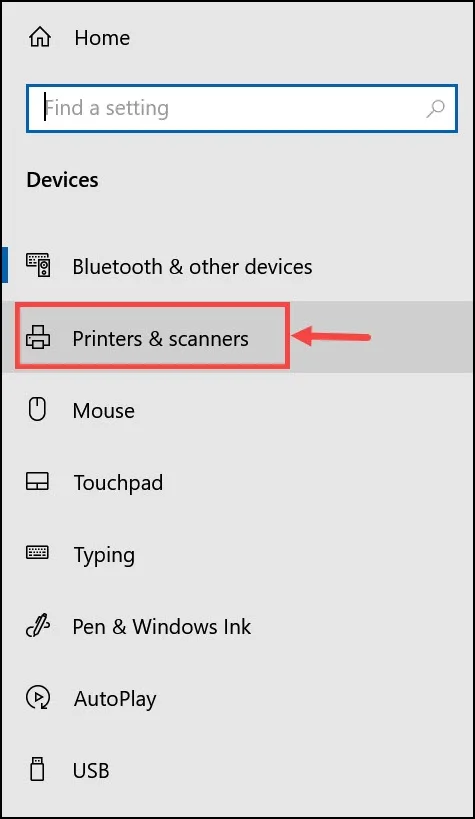
- From the left pane, choose Printers & Scanners and then click the Troubleshooter button.
- On the Printers & Scanners settings page, look for the Run the troubleshooter option under Related Settings and click on it.
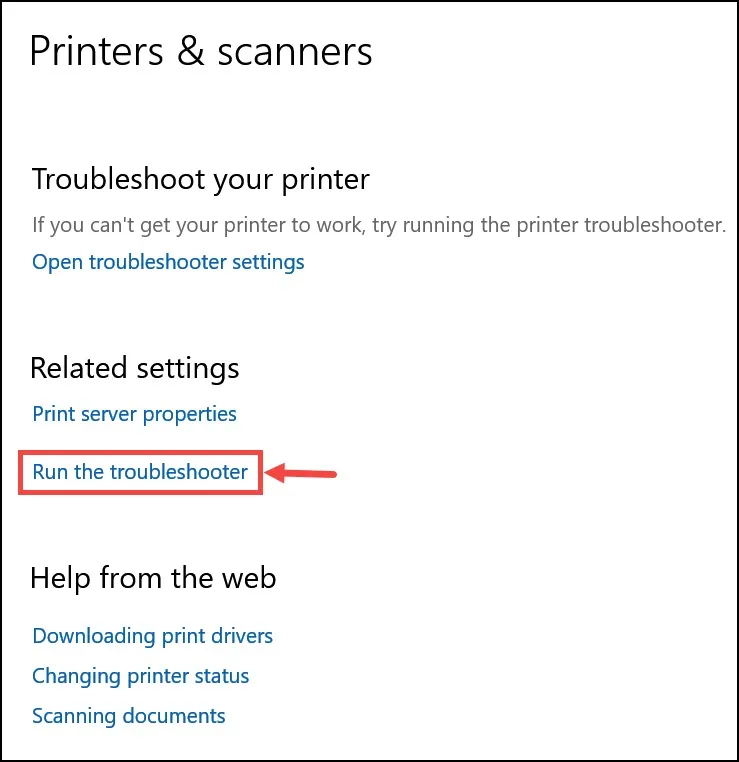
- The Windows Printing Troubleshooter will start scanning for problems.
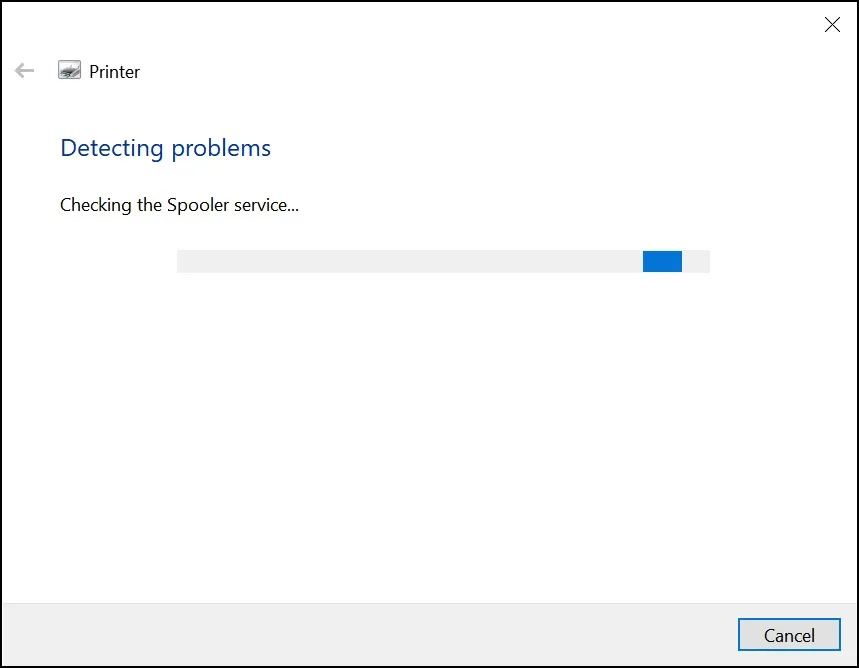
- Follow the on-screen instructions so that the troubleshooter can detect the problem.
- Wait until it finishes, and then click on the Apply this fix button.
3. Clear the Printer Queue
As mentioned, high CPU usage can also happen if there is too much load on the printer. If that is the case, you can try clearing the printer queue. This will delete all the pending print jobs from the queue and can fix the high CPU usage caused by the Spooler SubSystem App.
Here are the steps to clear the printer queue:
- On your Windows system, launch File Explorer.
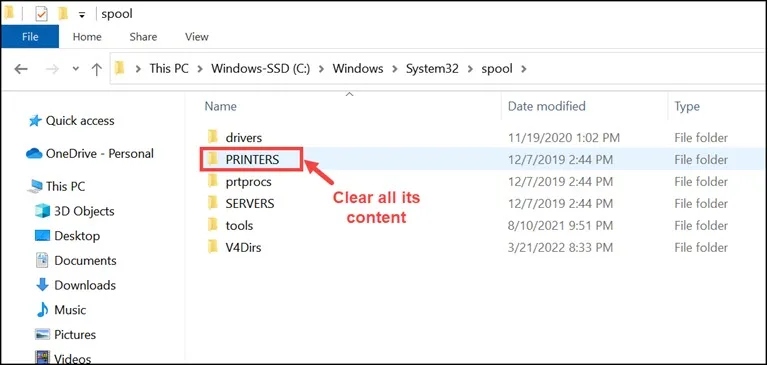
- Navigate to the following path: C:\Windows\System32\spool.
- Under the spool folder, open the PRINTER folder. This is the one that contains the printer queue. Clear this folder completely.
4. Disable the Printer Spooler Service
If the Spooler SubSystem App is still causing the problem, another option is to temporarily disable the Print Spooler service. You have to remember that disabling the Print Spooler service will stop all your printing requests. So, only disable it when there is no printing service going on.
To disable the spooler service, follow these steps:
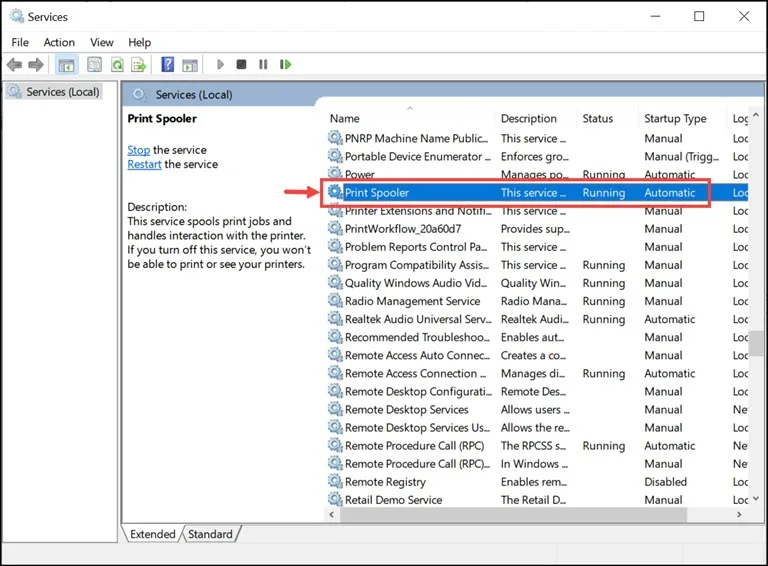
- In the Windows search box, type Services and click on its icon to launch.
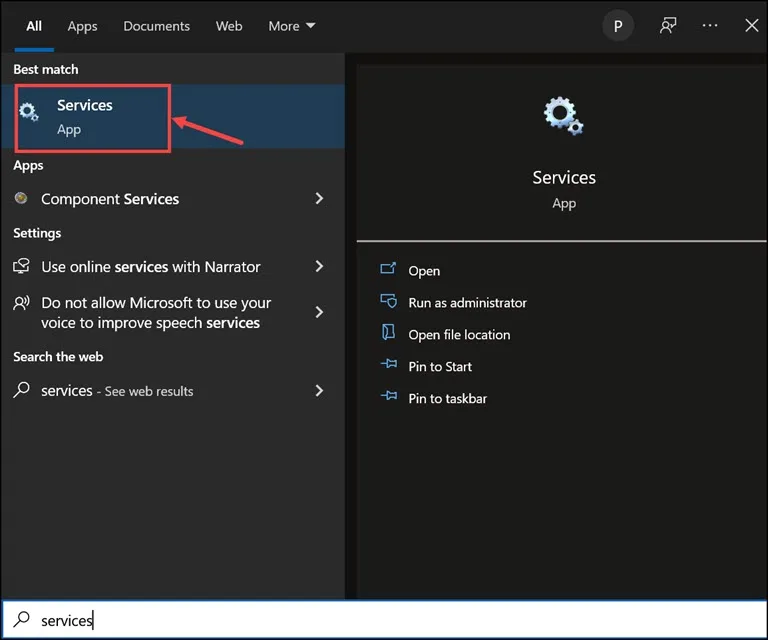
- Under the Services window, search for the Print Spooler service and double-click to launch it.
- Expand the drop-down menu next to Startup type and select Disabled.
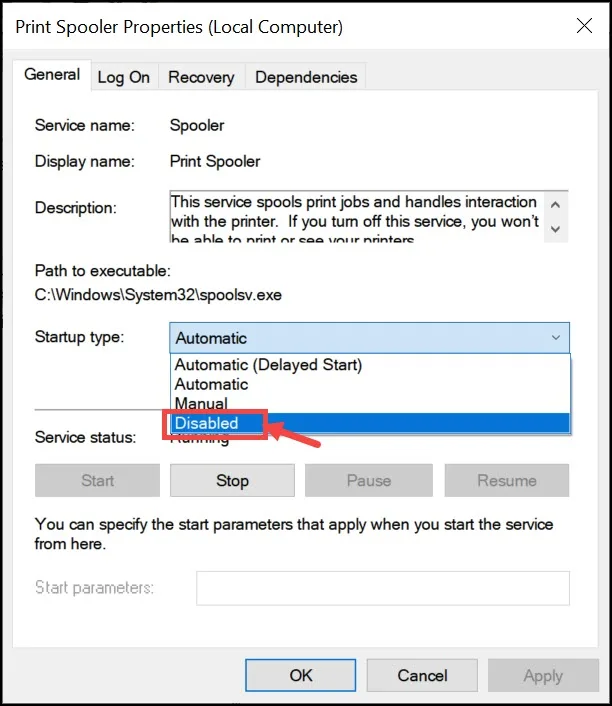
- The printing services will be immediately disabled.
5. Check if it is the Legitimate Service
While the spoolsv.exe file is a legitimate system component, our security audits often reveal malware that mimics these file names to evade detection. To verify your system’s integrity, you should always check the file’s origin.
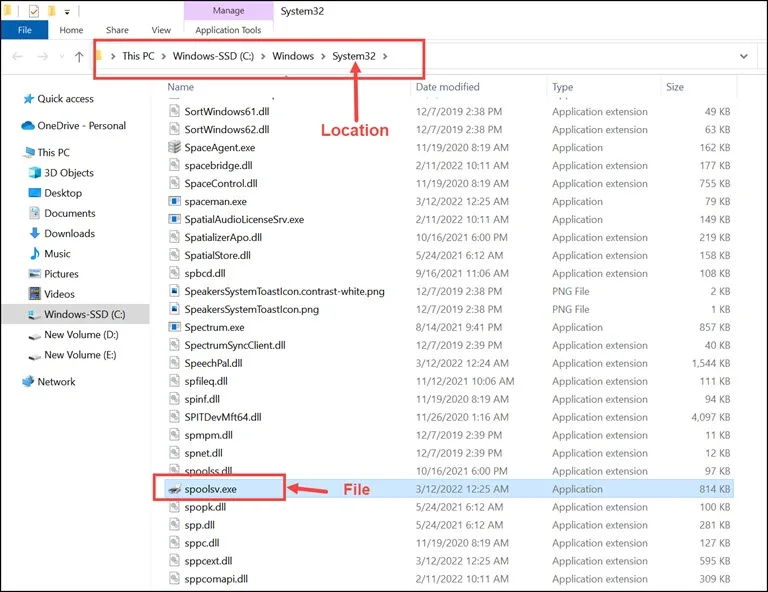
A genuine Spooler SubSystem process will only ever be located within the C:\Windows\System32 directory. If you find this file located in a temporary or user folder, it is a high-security risk and should be scanned with a verified antivirus tool immediately.
Here is how to do that:
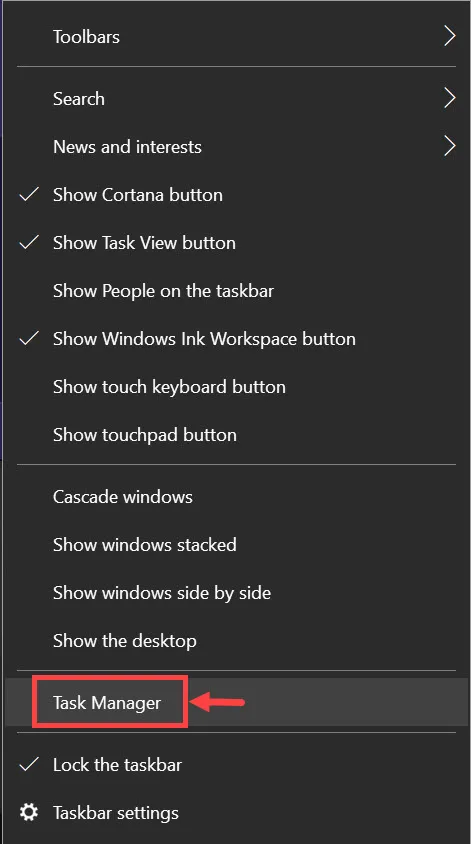
- Right-click on the Windows taskbar and select Task Manager.
- Look for the Spooler SubSystem App service, right-click on it, and select Open file location from the context menu.
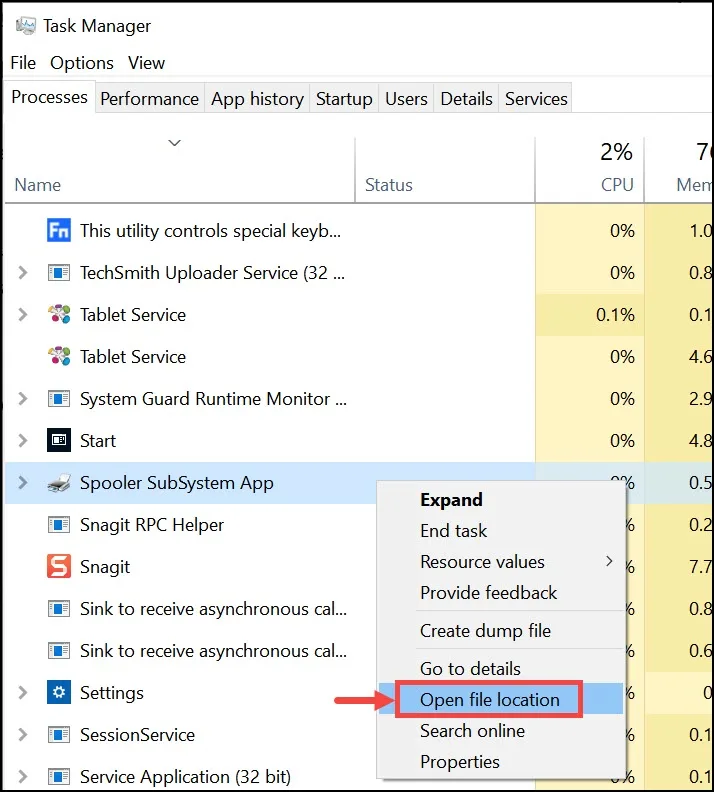
- Check in which folder the file is located. If the folder is System32, then the service is legitimate.
Frequently Asked Questions

Is the Spooler SubSystem app a virus?
Can I disable the print spooler?
What is the Spooler Subsystem app?
Conclusion
These are some of the ways through which you can fix the high CPU usage caused by the Spooler SubSystem App. We would recommend trying the basic solutions first, like restarting the system or running the Troubleshooter, and then moving on to more advanced methods if needed. Let us know if these solutions worked for you or if you have any other questions.

Leave a comment
Have something to say about this article? Add your comment and start the discussion.